

Ever stood in front of your closet, unsure which shirt fits best? You’re not alone. Many guys struggle with finding the right size, and it can be frustrating when you order online only to end up with something that doesn’t fit right.
Key Takeaways
- Understand Your Measurements: Accurate neck, chest, and sleeve measurements are essential for choosing the right shirt size, especially when shopping online.
- Know Common Shirt Classifications: Familiarize yourself with standard sizes (S, M, L, XL) and numerical sizes to better match your measurements with various brands.
- Use Proper Tools: Employ a flexible measuring tape, notepad, and pen to take and record your measurements accurately for future reference.
- Follow a Step-by-Step Measuring Guide: Take specific measurements for your neck, chest, waist, and sleeve length to ensure a comfortable and flattering fit.
- Consult Size Charts: Always check brand-specific size charts, as sizing can vary significantly between different brands.
- Account for Fit Preferences: Consider the type of fit (slim, regular, relaxed) and fabric of the shirt, as these factors will impact overall comfort and appearance.
Understanding Shirt Sizes
Understanding shirt sizes helps you find a comfortable and flattering fit. Knowing your measurements is key when choosing shirts, especially online.
Recommended Products

Made of 95% cotton soft and comfortable, 5% spandex excellent elasticity.

WRINKLE FREE: Developed for less wrinkles and easy care

Cool Fabric: Made of premium lightweight material, this quick dry shirts for men deliver a cool, smooth and skin-friendly hand feel. The breathable fabric prevents overheating and stuffiness, bringing constant refreshing comfort against the skin for all-day relaxed wear
Importance of Accurate Measurements
Accurate measurements matter because they ensure the best fit. A shirt that’s too tight can restrict movement, while one that’s too loose can look unpolished. Knowing your neck size, chest size, and sleeve length provides a reliable foundation for selecting the right shirt size. Use a soft measuring tape to get precise measurements, as some brands vary in sizing.
Common Shirt Size Classifications
Common shirt size classifications include small (S), medium (M), large (L), and extra-large (XL), along with numerical sizes like 15, 16, or 17 for neck measurements. These classifications often correspond to body measurements:
- Small (S): Neck size 14-14.5 inches, chest size 34-36 inches
- Medium (M): Neck size 15-15.5 inches, chest size 38-40 inches
- Large (L): Neck size 16-16.5 inches, chest size 42-44 inches
- Extra-Large (XL): Neck size 17-17.5 inches, chest size 46-48 inches
Many brands also provide slim, regular, and relaxed fits, offering additional customization. Check size charts on brand websites to understand their specific measurements, ensuring better accuracy when selecting shirts.
Tools Required for Measuring
To measure your shirt size accurately, gather a few essential tools. These items help ensure you get reliable measurements for a better fit.
Recommended Products
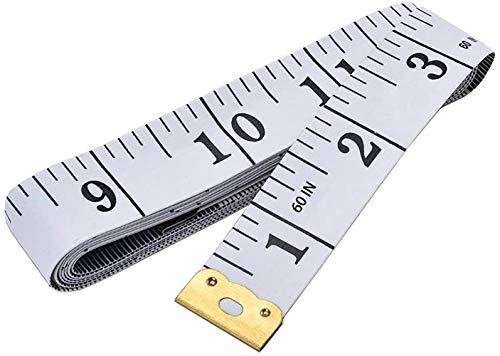
Measuring range: 0 to 60 inches and 0 to 150 centimeters. There is a centimeter scale on the back, which is accurately printed in inches and centimeters. Both sides can be measured according to your requirements. You can put one in your pocket or backpack without taking up too much space
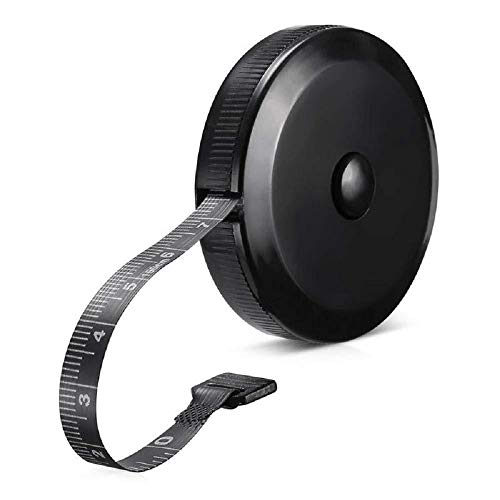
Package Include:1 Pack Soft Retractable Black Dual Sided Tape Measure Body Measuring Tape Set, Dual sided, 150cm/60inch in length, large and clear markings in both Inches and CM for easier reading, Retractable black measuring tape size 2 x 2 x 0.5 inches, weight 0.02 KG/0.7 OZ

2 Pack Soft Fashion Measuring Tape Set. Double sided, 60 inch / 150 cm, portable,durable tape measure. Small and light pocket size measuring tape.
Measuring Tape
Use a flexible measuring tape for accurate readings. This tape easily conforms to the body’s shape, allowing for precise measurements of the neck, chest, and sleeves. When measuring, keep the tape snug but not tight. Stand relaxed and measure at the widest points for the best results.
Notepad and Pen
Keep a notepad and pen handy to jot down your measurements. Recording each size helps you remember details for future reference. This simple step eliminates guesswork when shopping. It’s also useful if you’re trying shirts from different brands or styles, as sizes can vary.
Step-by-Step Guide to Measuring
Measuring yourself for the right shirt size is straightforward. Follow these steps to ensure an accurate fit.
Neck Measurement
- Locate the measuring tape and wrap it around the base of your neck.
- Keep the tape snug but comfortable. Make sure it’s not too tight.
- Note the measurement where the tape overlaps. This gives you your neck size.
Chest Measurement
- Stand relaxed and keep your arms at your sides.
- Wrap the measuring tape around the fullest part of your chest, typically just under your armpits.
- Ensure the tape is level and snug without compressing your chest.
- Record the measurement. This number is essential for determining your shirt size.
Waist Measurement
- Find the natural waistline, which is usually located just above your belly button.
- Wrap the measuring tape around your waist, keeping it aligned and snug.
- Make sure you can slide a finger between the tape and your body. This lets you breathe comfortably.
- Jot down the measurement to know your waist size.
- Raise one arm slightly and bend it at the elbow.
- Start measuring from the center of the back of your neck, along your shoulder, down to your wrist.
- Make sure the tape follows the curve of your shoulder and elbow.
- Record that measurement, which is crucial for long-sleeve shirts.
By taking these key measurements accurately, you can confidently choose shirts that fit well and look great.
Interpreting Your Measurements
Understanding how to interpret your measurements is key to finding the right shirt size. Use size charts and fitting considerations to ensure your shirts fit comfortably and look great.
Recommended Products

Flex Fabric: This long-sleeve dress shirt is crafted from stretch fabric, allowing for easy movement. It's soft, comfortable, and highly breathable

Easy Care: Machine washable; no dry cleaning required
WRINKLE FREE: Developed for less wrinkles and easy care
Size Charts Overview
Size charts vary by brand, but they provide a framework for understanding your measurements. Most charts include neck size, chest size, and sleeve length. For example, a typical size chart might look like this:
| Size | Neck (inches) | Chest (inches) | Sleeve (inches) |
|---|---|---|---|
| S | 14-14.5 | 34-36 | 32-33 |
| M | 15-15.5 | 38-40 | 33-34 |
| L | 16-16.5 | 42-44 | 34-35 |
| XL | 17-17.5 | 46-48 | 35-36 |
Check the specific brand’s chart, as sizing can differ, even within the same size designation. Don’t hesitate to reach out to customer service for clarity on sizing if needed.
Fitting Considerations
Consider your body shape and personal fit preference. For example, slim-fit shirts hug the body more closely, while classic-fit shirts provide extra room.
Keep in mind the shirt’s fabric. Stretchy materials can allow for some flexibility in fit, whereas stiffer fabrics may require a more precise measurement.
Also, consider how you plan to wear the shirt. If you’ll be layering it, like with a sweater or jacket, account for that when selecting a size. It’s helpful to try on different styles to discover what feels best.
By using size charts and fitting considerations effectively, you can navigate your shirt size confidently, minimizing the chances of poor fit and maximizing style.
Conclusion
Finding the right shirt size doesn’t have to be a hassle. By taking the time to measure yourself accurately and understanding how different brands size their shirts you can make smarter choices when shopping.
Remember to keep your measurements handy and refer to size charts for each brand. This way you’ll avoid the frustration of ill-fitting shirts and feel confident in your style.
With a little effort you’ll be able to enjoy a comfortable fit that looks great every time you put on a shirt. Happy shopping!
Frequently Asked Questions
What is the importance of knowing my shirt size?
Understanding your shirt size is crucial for a comfortable and flattering fit. Wearing the right size prevents issues like shirts being too tight or too loose, enhancing your overall look and comfort, especially when shopping online.
How do I measure my shirt size accurately?
To measure accurately, use a flexible measuring tape. Measure your neck snugly, wrap it around the fullest part of your chest while standing relaxed, and for sleeve length, start from the center of your neck and follow the shoulder down to your wrist.
What common shirt sizes should I be aware of?
Common shirt sizes include small (S), medium (M), large (L), and extra-large (XL). Numerical sizes for neck measurements are also widely used, and understanding these categories helps in selecting the appropriate fit.
Why should I check size charts when shopping for shirts?
Size charts vary by brand and provide valuable information about measurements related to neck size, chest size, and sleeve length. Checking them ensures you choose the right size, as sizing can differ between brands.
What other factors should I consider for a good shirt fit?
When selecting a shirt, consider your body shape, fit preference, and the fabric type. These factors can influence how a shirt fits and how comfortable you feel wearing it, especially if you plan to layer clothing.
